The California Poppy: Eschscholtzia's Journey from Wildflower to Design Icon
Few wildflowers carry the symbolic weight and visual charm of the California poppy, Eschscholtzia californica. Its bright, sun-loving blooms are not just a hallmark of the state's golden hillsides; they have evolved into a powerful motif in modern design. The transition of this specific botanical subject—from a natural wonder to a meticulously crafted vector floral seamless pattern—speaks to broader shifts in how we integrate nature into our digital and physical spaces.
Why Eschscholtzia Resonates in Contemporary Design
The California poppy possesses intrinsic design virtues. Its clean, cup-shaped flower and finely dissected leaves translate beautifully into graphic form. But its relevance today is amplified by a growing cultural desire for biophilic design—the incorporation of natural elements into our environments to improve well-being and connection. As professionals, creators, and homeowners seek to soften the hard edges of modern life, floral patterns, particularly those derived from identifiable, authentic botanicals, have surged in popularity. Eschscholtzia, with its cheerful, familiar form, fits this need perfectly.
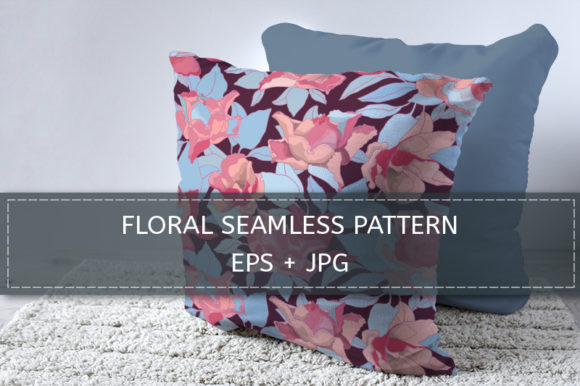
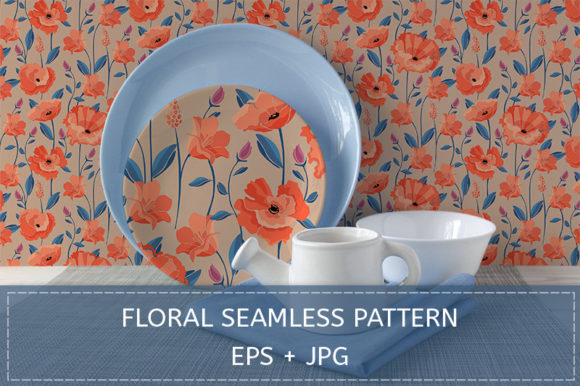
Furthermore, the specific interpretation of the poppy in this context—a seamless pattern with coral color flowers, blue leaves and stems on a beige background—aligns with current market preferences. This palette moves beyond literal green-and-orange reproduction. The coral offers warmth and vibrancy, the blue introduces a contemporary, calming contrast, and the beige ground provides a neutral, versatile foundation. This thoughtful color story allows the pattern to serve multiple moods: it is energizing yet sophisticated, natural but stylized.
The Evolution of Botanical Patterns from Artisan to Digital Asset
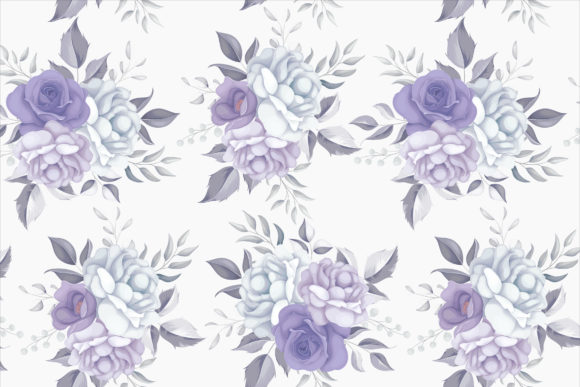
The history of floral patterns for textiles and walls is long, but the digital era has fundamentally transformed their creation and application. Traditionally, such patterns were painstakingly hand-drawn or painted, limiting scale and iteration. Today, a vector floral seamless pattern, like one based on California poppy flowers, begins as a precise digital illustration. The "seamless" quality is key—it means the pattern tile repeats infinitely without visible breaks, a technical necessity for digital wallpaper, fabric printing, or web backgrounds.
This evolution democratizes design. A single high-quality asset, such as a package containing an EPS 10 vector file for Adobe Illustrator and a high-resolution 6000x4000 px JPG, becomes a versatile toolkit. For the entrepreneur launching a boutique line of textiles, the vector file allows for exact color changes or scale adjustments without quality loss. For the marketer or blogger, the JPG can instantly become a website header, social media graphic, or printed promotional material. This efficiency meets the modern workflow demand for adaptable, multi-format resources that speed up production while maintaining professional quality.
Practical Implications for Creators and Businesses
The availability of such a specific, ready-to-use design asset opens numerous practical avenues. Consider the interior textile designer looking for a pattern that evokes a sunny, Californian aesthetic without being cliché. This Eschscholtzia pattern, with its unconventional blue stems, offers a fresh take. Similarly, a freelance graphic designer can use the vector file to quickly integrate custom floral elements into a client's branding suite for a wellness brand or a lifestyle blog.
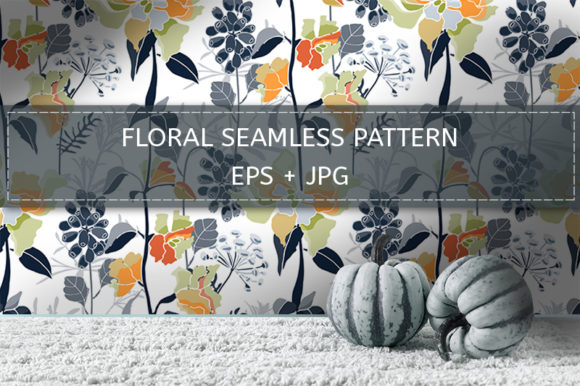
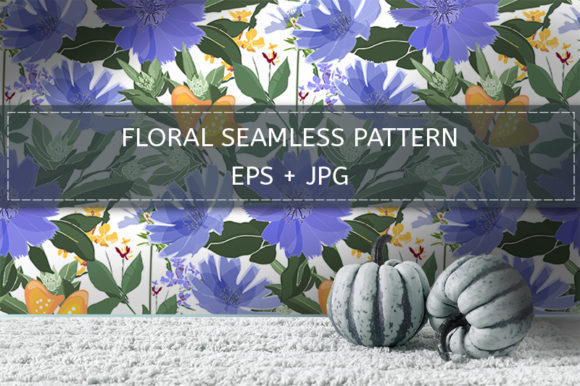
The pattern’s listed applications—fabric, interior textile, wallpaper, wrapping paper, tile background, digital paper—are not merely suggestions; they represent real revenue streams and creative opportunities. A small business owner in the home decor space could license the pattern to produce a line of throw pillows or ceramic tiles. An educator creating online course materials might use the serene, nature-inspired background to make slides more visually engaging. The key implication is cross-media utility.
- For Professionals & Freelancers: It reduces time spent sourcing or creating original pattern art, providing a commercially viable starting point.
- For Hobbyists & Makers: The high-resolution JPG enables high-quality DIY projects, from custom gift wrap to framed art prints.
- For Brands & Marketers: It supports a cohesive natural branding element across physical products and digital touchpoints.
Meeting Modern User Expectations: Quality, Flexibility, and Authenticity
Today's users, whether clients, consumers, or collaborators, have heightened expectations. They demand visual content that is both high-quality and authentic. A generic, poorly traced floral pattern can undermine a brand's credibility. A well-researched, accurately rendered pattern based on a real flower like the California poppy contributes to a perception of thoughtfulness and integrity. This aligns with the E-E-A-T principles (Experience, Expertise, Authoritativeness, Trustworthiness) valued in content creation. Using a design with botanical authenticity demonstrates expertise and care.
The technical specifications also directly address quality expectations. The 6000x4000 pixel JPG ensures the image remains crisp even on large-format prints or high-density screens. The inclusion of an EPS vector file caters to professional users who require scalability and need to edit components within industry-standard software like Adobe Illustrator. This dual-format package anticipates the varied needs of a modern, multi-channel creator.
Integrating Nature into Digital and Physical Spaces
The trend is clear: people are seeking to blur the lines between their digital interfaces and physical surroundings. A seamless floral pattern acts as a bridge. The same California poppy design can appear as a desktop wallpaper promoting calm during a workday and later as the fabric on a sofa in a living room. This continuity creates a harmonious personal ecosystem. For the creative professional, it offers a way to develop a signature style that translates across client projects, from website backgrounds to merchandise.
This pattern, with its isolated elements on a beige background, is particularly adaptable. Isolation means the flowers and stems are cleanly separated from any complex scenery, making them easy to re-color, rearrange, or overlay. The neutral beige background in the source file isn't just a color; it's a space. It gives the designer maximum flexibility to integrate the pattern onto darker, lighter, or even patterned bases, catering to the need for customization in a market that prizes personalization.
Ultimately, the journey of the California poppy, Eschscholtzia, into a vector design asset is more than a technical process. It is a response to our collective desire to carry the serenity and inspiration of the natural world into every facet of our designed lives. By choosing patterns rooted in real beauty, creators and businesses can build environments, products, and experiences that feel both genuinely connected and professionally polished.