The Artful Allure of the Ring Flower Wreath Hand Drawn
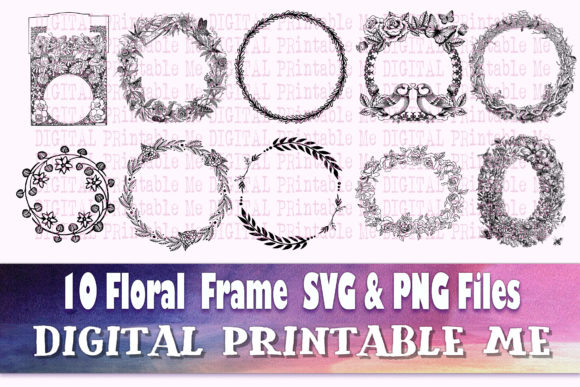
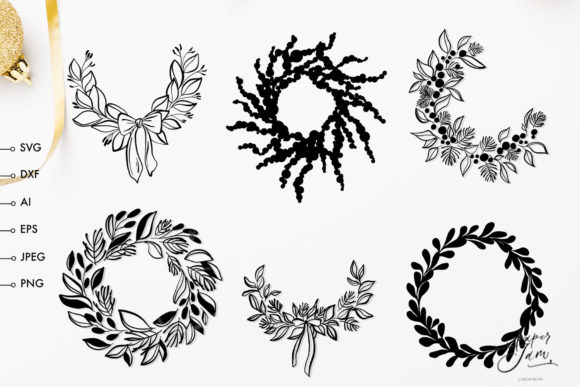
In the world of digital design and crafting, the timeless elegance of a floral wreath holds a special place. A Ring Flower Wreath Hand Drawn design captures this beauty in a uniquely organic and artistic form. Unlike rigid, geometric vectors, a hand-drawn style imbues your projects with a sense of warmth, personality, and delicate craftsmanship. This aesthetic is perfect for anyone looking to elevate their creative work—from wedding invitations and branding materials to home decor and personalized gifts—with a touch of natural, artistic flair.
Yet, the journey from downloading a file to creating a stunning final product is where many stumble. The very charm of a hand-drawn element can be lost through common technical oversights and creative missteps. Understanding these pitfalls not only preserves the integrity of the design but unlocks its full potential across all your projects.
The Core Mistake: Treating All Vector Files Equally
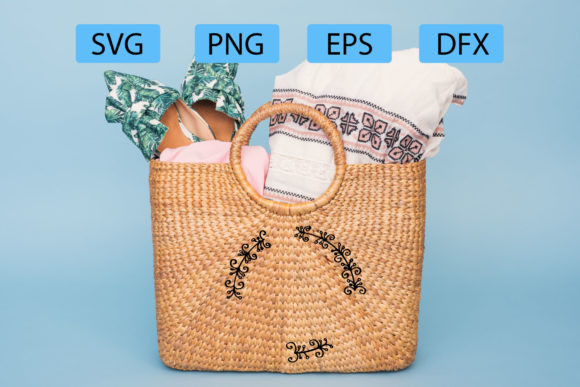
A prevalent misunderstanding lies in assuming all files in a digital download pack are interchangeable. You receive an EPS, SVG, PNG, DXF, and JPEG. Each serves a distinct purpose, and using the wrong one can lead to frustration and poor results. For instance, the DXF file is primarily for older versions of Silhouette software and may not contain the layered color information crucial for a multi-step design. If you attempt to use the JPEG for cutting with your Cricut, you'll encounter issues with edge detection and scalability, resulting in jagged, low-quality cuts.
The practical solution is to start with the SVG file for modern cutting machines like Cricut or Silhouette Studio (Designer Edition). The SVG format typically preserves the clean, layered vector paths of the hand-drawn wreath, ensuring your machine reads the smooth lines as intended. Before importing, always check your software's compatibility. Open the SVG in a program like Inkscape or Adobe Illustrator first if possible. This allows you to see the actual structure—confirming the wreath is a single, cohesive path or grouped elements—which prevents unexpected separation of elements during the cut.
Overlooking the Digital Canvas: Resolution and Background
Another frequently overlooked detail is the context in which you use the PNG file. The high-resolution PNG with a transparent background is a gift for digital compositing—placing the wreath onto website headers, social media graphics, or digital posters. However, the mistake here is neglecting the final canvas size. Placing a 3000px PNG into a 500px web banner will force unnecessary compression, while using it for a large format print might require you to verify the DPI (dots per inch) yourself to avoid pixelation.
A better approach is to match the file to your project's scale. For digital use, resize the PNG proportionally within your graphic software (like Photoshop or Canva) before adding other elements. For physical applications, if the SVG cut file size seems limited, remember you can often scale it up infinitely within your cutting software without quality loss, as it's a vector. Always check the design's dimensions listed in the software after import; a hand-drawn wreath scaled to a 12-inch diameter for a wood plaque will behave differently than one scaled to a 2-inch sticker, requiring potential adjustments to cut pressure and speed.
The Subtlety of Style: Application Without Consideration
The hand-drawn nature of the wreath suggests a certain style. A common creative error is applying it to a project with a starkly modern, minimalist aesthetic where its organic lines might clash, creating visual dissonance. Conversely, forcing it into an overly busy layout can bury its delicate details.
To avoid this, consider the wreath as a focal point or a supporting accent. For example, using it as a circular frame for a handwritten quote on a wedding program creates harmonious cohesion. As a corrective measure, experiment in a draft layout. Place the wreath element alongside your other design components and assess the balance. Does it complement your typography? Does the color you choose to fill or cut it from (like muted sage cardstock or gold foil vinyl) enhance the hand-drawn feel? Making these conscious choices ensures the design enhances your project’s message.
Misjudging the Workflow: From Download to Machine
Many beginners, excited by an instant download, rush directly to their cutting machine software, skipping vital preparatory steps. This haste can lead to issues like ungrouped elements cutting separately, hidden overlapping lines causing double cuts, or stroke widths that are too fine for the chosen material.
The essential advice is to establish a clean workflow. After unzipping the downloaded folder, do not immediately send the file to your machine. First, inspect the design in a neutral viewing program. Look for any stray anchor points or open paths that might interrupt the wreath's circular form. Simplify the design if necessary by removing redundant points within your software, but always keep a backup of the original file. When satisfied, import into your cutting platform. Use the "Attach" or "Group" function to keep all elements together, and perform a virtual mat preview to confirm every line is accounted for. This meticulous process, especially for a hand-drawn design where lines are intentionally imperfect, safeguards against material waste and machine errors.
Evaluating Value Beyond the File Count
When choosing a digital asset like this, a common evaluation mistake is focusing solely on the number of files in the listing. Five file formats sound impressive, but the true value lies in the quality and usability of each one for your specific needs. A poorly optimized SVG that creates complex, fragmented paths is less useful than a single, well-crafted one.
Before finalizing your decision, look for listings that provide clear details on the design's origin—true hand-drawn vectorization versus a filtered photograph. Check sample images of the cut results or digital applications. This transparency indicates the seller understands the craft and has prepared the files thoughtfully. It’s also wise to ensure the files are genuinely royalty-free for personal and commercial use, so your beautiful wreath can grace everything from a hobbyist's greeting card to an entrepreneur's product packaging without legal concern.
Ultimately, the Ring Flower Wreath Hand Drawn is more than just a set of files; it's a versatile artistic tool. By approaching it with an informed, careful methodology—respecting the differences in file formats, preparing your digital canvas thoughtfully, aligning its style with your project, establishing a robust technical workflow, and evaluating its true quality—you transform a simple download into a reliable cornerstone for your creativity. This mindful approach ensures that the delicate, artistic lines of the wreath translate perfectly from screen to material, bringing that intended touch of hand-crafted beauty into everything you make.