The Art and Utility of the Watercolor Eucalyptus Seamless Pattern
In the realms of digital design and physical craft, the concept of a seamless pattern is a foundational element. It represents a tileable image that repeats infinitely without visible seams or breaks, creating a continuous, cohesive visual field. Among the vast library of available patterns, those crafted with a watercolor aesthetic hold a special allure. The Watercolor Eucalyptus Seamless Pattern exemplifies this blend of artistry and functionality, merging the organic, soothing forms of eucalyptus foliage with the soft, translucent textures of watercolor painting to create a versatile design asset.
Understanding the Watercolor Floral Seamless Pattern
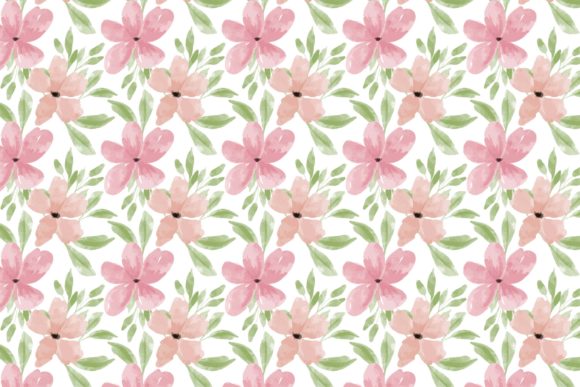
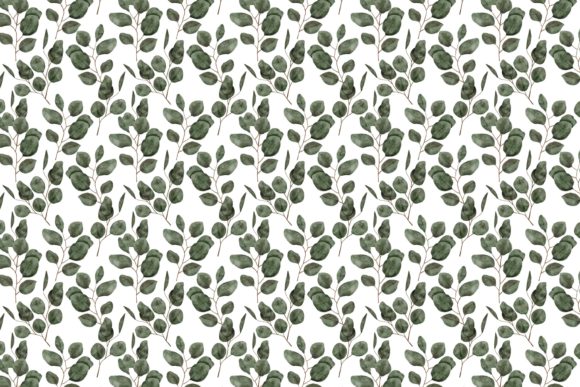
A watercolor floral seamless pattern, like the eucalyptus example, is more than just a pretty image. It is a carefully constructed digital artwork. The "watercolor" aspect refers to the simulation of traditional watercolor paint techniques—soft washes, gentle gradients, subtle bleed edges, and a sense of fluidity. The "floral" or botanical subject matter provides a timeless, nature-inspired motif that resonates across cultures and contexts. The "seamless" quality is achieved through meticulous design, ensuring that when the pattern tile is repeated horizontally and vertically, the edges match perfectly, creating an unbroken, flowing design.
The specific inclusion of eucalyptus—a plant known for its graceful, elongated leaves and calming presence—adds a distinct character. This pattern isn't merely generic greenery; it carries the identifiable silhouette and arrangement of eucalyptus branches, often rendered with artistic license to enhance its decorative appeal.
Core Characteristics of the Pattern File
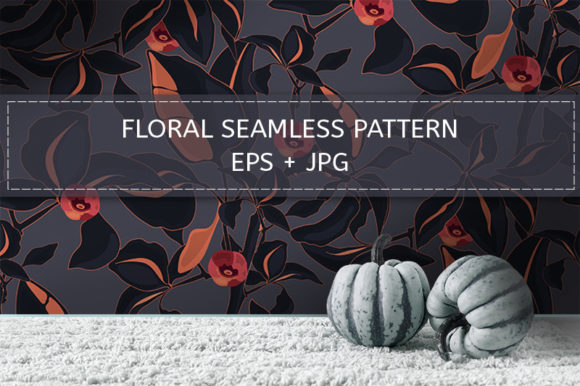
The technical delivery of such a pattern is crucial for its practical use. A high-quality asset typically includes multiple file formats to suit different workflows. As noted, this illustration is provided in both .EPS 10 and high-resolution .JPG formats.
- .EPS 10 Format: This is a vector-based file. Vector graphics are defined by mathematical paths, not pixels, meaning they can be scaled to any size—from a postage stamp to a billboard—without any loss of quality or resolution. For designers using professional software like Adobe Illustrator, the EPS file allows for complete editing: colors can be changed, elements can be rearranged, or the eucalyptus motif can be isolated for other projects. This format is essential for professional print and fabrication workflows.
- .JPG Format (4167 x 4167 pixels): This is a raster, or pixel-based, image. The exceptionally high resolution (4167 pixels on each side) ensures that the pattern retains sharp detail even when used for large-scale applications like wall murals or wide fabric rolls. The JPG format is universally compatible, easily inserted into presentation software, word processors, basic design apps, and online platforms for quick use.
This dual-format approach empowers users at all skill levels, from a hobbyist printing cards to a professional textile engineer.
A Spectrum of Practical Applications
The true value of a seamless pattern lies in its adaptability. The watercolor eucalyptus design, with its elegant and non-intrusive aesthetic, finds relevance in a surprisingly wide array of fields.
Surface Design and Décor
One of the most direct applications is in surface decoration. The pattern can be applied digitally to become a wallpaper for screens—laptop desktops, smartphone backgrounds, website textures—instantly bringing a serene, natural element to digital environments. Physically, the high-resolution JPG or scalable EPS can be used to print actual wallpapers, wall decals, or wrapping papers, transforming living and workspaces. The repeatable nature means it can cover any area seamlessly, a critical requirement for interior design.
Fabric and Textile Design
For fashion, home textiles, and soft goods, this pattern is a potent starting point. The watercolor effect translates beautifully onto fabrics like cotton, silk, or linen, suggesting a hand-painted, artisanal quality. Designers can use the vector file to precisely adjust the pattern's scale (how large or small the eucalyptus clusters appear) and color palette to match seasonal trends or brand identities, creating unique fabrics for apparel, curtains, bedding, or upholstery.
Printable Goods and Stationery
The pattern serves as an instant design layer for paper goods. It can form the background for greeting cards, wedding invitations, or business stationery, where the watercolor texture adds warmth and sophistication compared to flat digital colors. Its seamless nature ensures that no matter the card size or orientation, the pattern flows beautifully across the entire sheet. Journal covers, notebook interiors, and bookmark designs also benefit from this continuous botanical imagery.
Broader Template Integration
Beyond these direct uses, the pattern acts as a foundational element in template creation. Web designers might use it as a subtle background section in a wellness or lifestyle site template. Presentation creators could incorporate it into slide masters for topics related to nature, health, or creativity. Educators might use it in instructional materials or classroom decorations to create a calming visual atmosphere. The pattern provides a ready-made aesthetic that reduces design time while elevating visual cohesion.
Key Advantages and User Considerations
Choosing a watercolor eucalyptus seamless pattern over a generic stock image or a solid color brings several tangible benefits.
- Visual Softness and Emotional Resonance: The watercolor medium inherently conveys softness, creativity, and a gentle organic feel. Paired with eucalyptus, often associated with wellness and relaxation, the pattern can subtly influence the mood of a space or product, making it ideal for brands or projects focused on calm, nature, and authenticity.
- Unmatched Versatility: As explored, its use crosses digital and physical boundaries, from micro to macro scales. This one asset can serve multiple projects across years, a cost-effective and time-saving resource for creators and businesses.
- Professional Polish: A well-crafted seamless pattern avoids the amateurish look of a tiled image with obvious seams or mismatched edges. It signals attention to detail and quality in the final product, whether that product is a website, a dress, or a retail package.
When implementing the pattern, users should consider a few points. First, scale: the pattern's impact changes dramatically if the repeat is set to be very dense (small leaves) or very expansive (large leaves). Testing different scales is crucial for the intended application. Second, color context: while the provided file has a specific color scheme, the vector format allows for alteration. Users should ensure the colors harmonize with other brand colors or décor elements. Finally, application-specific adjustments: for fabric, consider how the pattern will look on a draped, moving surface; for web use, ensure the file size is optimized to not slow page loading.
Observing Trends in Pattern Use
The popularity of watercolor and botanical patterns reflects broader trends in design and consumer preference. In a digital age, there is a strong counter-movement towards aesthetics that feel tactile, handmade, and connected to nature. This watercolor eucalyptus pattern sits perfectly within that movement. It is also observable that seamless patterns are increasingly used not just as backgrounds, but as active design elements—framing text, defining sections on a page, or being cropped into focal point illustrations. The continuous flow of the pattern encourages this creative cropping and integration.
For the individual hobbyist, this pattern offers a gateway into design without requiring advanced skills. For the professional, it is a robust, editable asset that accelerates production. For the business owner, it provides a consistent visual theme that can be applied across marketing materials, product lines, and physical locations. The illustration of the watercolor floral seamless pattern, particularly with the distinct eucalyptus motif, transcends being merely a decorative file; it becomes a versatile tool for visual communication, capable of bringing a consistent, calming, and artistically credible aesthetic to virtually any project it touches.